
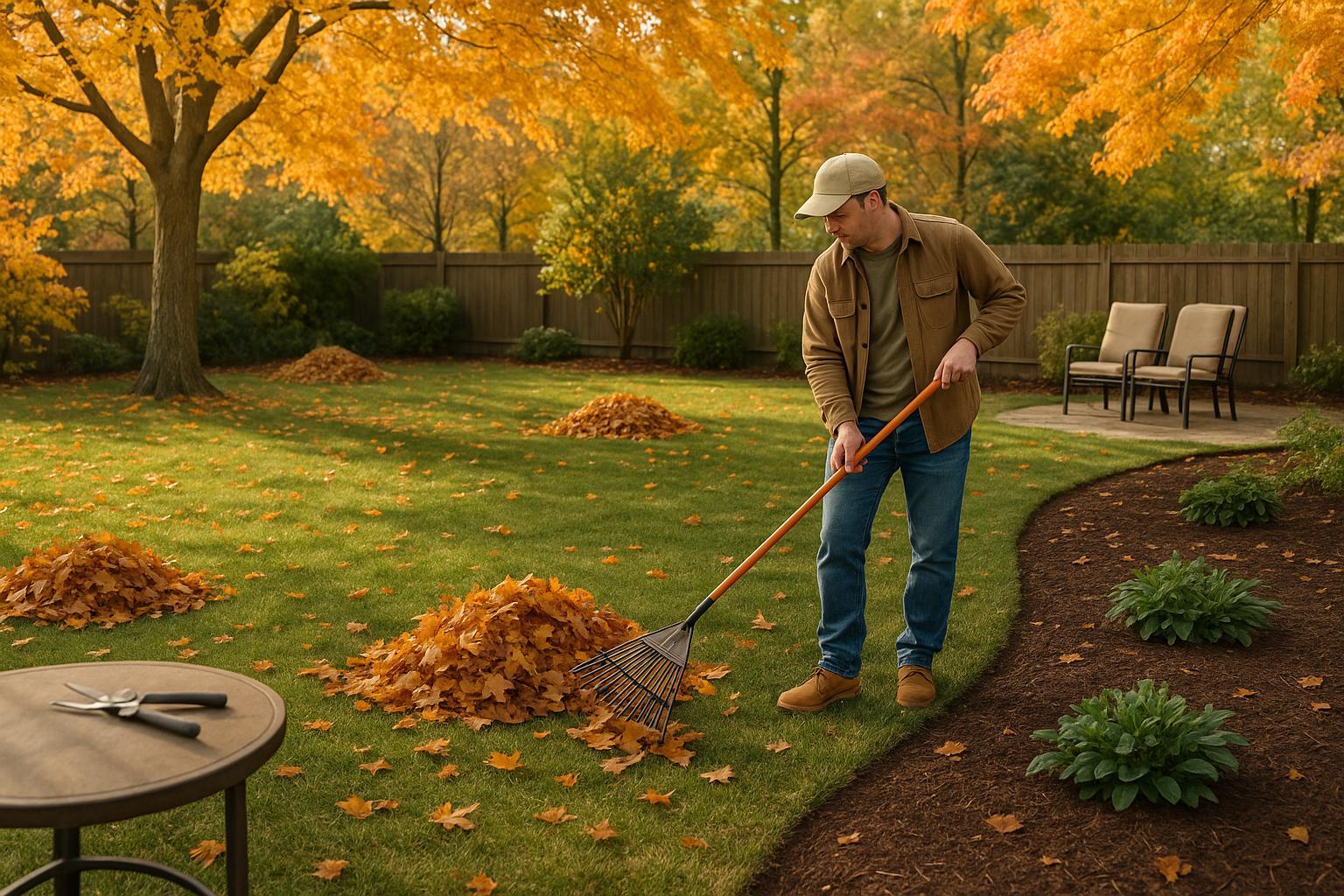
Get your yard winter-ready with this fall cleanup guide. Prepping your outdoor space before winter can save you time, money, and effort come spring. Here’s why it matters and how to tackle it:
Pro Tip: Use ergonomic tools, plan tasks around the weather, and prioritize safety when handling ladders or sharp equipment. For a hassle-free experience, consider hiring professionals like Bourne Brothers Landscaping to handle the heavy lifting.
Start now - your yard will thank you in spring!
Now that we've covered why fall cleanup matters, let's dive into some practical steps to get your yard ready for the colder months.
Take advantage of the dormant season to trim trees, shrubs, and perennials. This not only prepares your landscape for winter but also encourages healthy growth when spring arrives.
Getting your yard ready for winter doesn’t have to mean exhausting yourself or risking injury. With a little planning and the right tools, you can make fall cleanup safer and more manageable.
Timing plays a big role in how smoothly your fall cleanup goes. Before diving into major tasks, check the local weather forecast and plan accordingly. For leaf removal, aim for dry, calm days - wet leaves are heavier and harder to manage, and windy conditions can scatter your hard work.
When it comes to gutter cleaning, avoid doing it during or right after a storm when surfaces are slippery. Late mornings or early afternoons often offer better visibility and slightly warmer temperatures, making the job safer and more comfortable.
Once you’ve picked the right day, make sure you’ve got the proper tools for the job.
The right tools can make all the difference in turning a tough job into a manageable one. Opt for ergonomic tools to reduce strain. For example, an adjustable rake with flexible tines can help you clear leaves without putting unnecessary stress on your back.
Instead of bending over repeatedly to fill bags, try using a tarp. Rake leaves directly onto the tarp, then drag it to your compost pile or pickup spot. This simple method can save time and reduce physical effort.
For hard surfaces like driveways and walkways, leaf blowers can be a game-changer. Battery-powered models are lightweight and easier to handle, making them a smart choice for quick and efficient cleanup.
Don’t forget to look after your tools, too. Keep pruning shears sharp to avoid extra effort and potential plant damage, and clean your tools regularly to prevent spreading plant diseases. A quick wipe with rubbing alcohol between uses is a good habit, especially when working with different plants.
Lastly, wear gloves that provide a good grip and, if it’s chilly, keep your hands warm.
Using tools safely is just as important as using the right ones, especially when working at heights or with sharp equipment.
If you’re cleaning gutters or trimming branches, ladder safety should be a top priority. Position your ladder at a safe angle, and for taller ladders, have someone nearby to steady it or assist you. Avoid leaning too far to the side - reposition the ladder instead to prevent falls. Extension ladders should extend a few feet above the roofline to make climbing on and off safer. Always ensure ladder locks are engaged, and steer clear of using ladders in windy or slippery conditions.
When handling sharp tools like pruning shears or hedge trimmers, always cut away from your body. Keep the blades closed when not in use and store them in protective sheaths. For battery-powered tools, remove the battery when they’re not in use to avoid accidental starts.
Also, remember to lift heavy items like bags of leaves with your knees, not your back, and avoid overloading them. Take regular breaks and stay hydrated to keep your energy up and reduce the risk of overexertion.
Once the cleanup is done, it’s time to focus on protecting outdoor spaces to avoid costly repairs and keep your plants thriving through the cold months.
Mulching is a simple yet effective way to shield plant roots from freezing temperatures, lock in moisture, and reduce soil erosion.
The best time to apply mulch is after a light frost but before the ground freezes solid. This is particularly important in regions where the average low temperature dips to 25°F or below. For tender perennials and newly planted greenery, use a 4–6 inch layer of mulch, but keep it a few inches away from stems and trunks to prevent moisture buildup and pest problems. For most other plants, a 2–4 inch layer around perennials, bulbs, and tree bases will do the trick.
Natural materials like shredded bark, chopped leaves, wood chips, weed-free straw, or compost work well as mulch. However, steer clear of dyed mulches and fresh wood chips, as these can either introduce chemicals or temporarily deplete soil nutrients. If there’s old mulch from previous seasons, till it into the soil before adding fresh material.
For plants that are extra sensitive to cold, such as certain perennials, shrubs, and roses, additional insulation may be necessary. Wrapping them with a cloth barrier - like a sheet, blanket, or a mix of cloth and plastic - can provide extra warmth. Frost guards can also be helpful for in-ground plants, while potted plants might be best moved indoors to ride out the winter.
Next on the list: protecting your irrigation gear from freezing.
Any water left in hoses or irrigation systems can freeze, expand, and cause significant damage. Properly winterizing this equipment is essential.
Start by disconnecting all garden hoses from spigots. Drain each hose completely by holding one end up high to let the water flow out. Don’t forget to remove attachments like sprinklers, nozzles, and timers - these can trap small amounts of water that may freeze and crack. Once drained, clean the hoses, loosely coil them, and store them in a dry spot. If you live in an area with harsh winters, frost-proof spigots are worth considering.
Sprinkler and irrigation systems require a bit more care. Turn off the main water supply, then drain all valves to ensure no water remains in the pipes. For drip irrigation systems, shut off the valves and remove any adapters to eliminate standing water.
For sprinkler systems, blowing out any remaining water with compressed air is a crucial step. You can either hire a professional to handle this or rent the necessary equipment for a DIY blow-out. For smaller drip systems, a compressor set to high volume and low pressure works well at the connection point near the tap.
With hoses and irrigation systems taken care of, it’s time to secure outdoor fixtures.
Winter weather can wreak havoc on outdoor furniture and structures if they’re not properly protected. Start by cleaning your furniture to remove dirt and debris, and let everything dry thoroughly before storing it.
Move cushions, umbrellas, and other fabric items indoors to shield them from moisture, UV rays, and the wear and tear of freeze-thaw cycles. For larger furniture pieces that need to stay outside, use breathable covers designed for your specific climate and furniture type.
Don’t forget to inspect your yard’s structural elements. Walk along your fence line to check for loose or weak posts that might not withstand heavy snow or strong winds. Fix these issues now to avoid bigger problems later. Also, make sure gate hinges and latches are functioning smoothly.
Finally, give your outdoor cooking equipment some attention. Clean grills and fire pits to remove grease and food residue, which can attract pests. Cover or store these items in a sheltered area to prevent rust. For gas grills, disconnect propane tanks and store them upright in a well-ventilated space, away from your home.
Taking these steps will help ensure your outdoor spaces are ready for winter’s challenges.
Once you've tackled your fall cleanup checklist, bringing in professionals can take your yard prep to the next level. While DIY efforts have their place, hiring experts saves you valuable time and ensures everything is done right. Bourne Brothers Landscaping offers services to help get your yard fully prepared for the winter season. Here's what you need to know about their services, the advantages they offer, and how to get started.
Bourne Brothers Landscaping, a family-owned business based in Clarksville, TN, provides comprehensive fall cleanup services. Their team handles everything from tree care and gutter cleaning to garden maintenance and lawn care. These services are tailored to address the typical challenges of fall, ensuring your property is ready to face the colder months ahead.
Hiring professionals means more than just saving time - it’s about safety and efficiency. Tasks like tree trimming and gutter cleaning can carry risks, but skilled crews have the right tools and expertise to handle them safely. Plus, with their specialized equipment and techniques, they can complete the job quickly and thoroughly, giving you peace of mind.
Reach out to Bourne Brothers Landscaping to discuss your specific needs and schedule your fall cleanup service. Let the experts take care of the hard work so you can enjoy a stress-free winter.
Taking care of your yard in the fall isn’t just about appearances - it’s about protecting your investment. Clearing out leaves, pruning properly, and aerating your lawn now can prevent costly damage down the line. Simple tasks like cleaning gutters and prepping garden beds can stop water damage and help your plants make it through the winter. A little effort today means less hassle when spring rolls around.
Use these tips to plan your next steps and get ahead of the season.
If you love spending time in your yard and can carve out the time, tackling this checklist will get your property ready for the colder months. Start with the basics - like raking leaves, cleaning gutters, and pruning - then move on to more detailed tasks like aerating and mulching.
But if your schedule is packed or you’d rather leave it to the pros, Bourne Brothers Landscaping has you covered. Their team brings the right tools and years of know-how to handle everything safely and efficiently. From trimming tall trees to taking care of the nitty-gritty details, their fall cleanup services make sure your yard is fully prepared for winter. Whether you want to save time or simply skip the hassle, they’ll make sure your property gets the care it needs.
Don’t wait - winter doesn’t wait for anyone. Start your cleanup soon to keep your yard protected during the colder months.
Clearing fallen leaves from your yard before winter plays a big role in keeping your outdoor space healthy and looking good. When leaves pile up, they trap moisture, creating a breeding ground for mold, pests, and diseases. Plus, they can block sunlight, which might harm your grass and other plants.
Getting rid of those leaves also helps prevent slippery surfaces and lowers the risk of fire hazards, especially in dry or windy weather. A tidy yard not only safeguards your lawn but also ensures your property is prepped for the colder months to come.
Hiring Bourne Brothers Landscaping for your fall yard cleanup takes the hassle out of prepping your property for the colder months. Their skilled team tackles essential tasks like raking leaves, pruning trees, aerating the lawn, and cleaning gutters - saving you both time and energy.
When you leave it to the pros, you help protect your yard from common winter troubles like pest issues, lawn diseases, and drainage headaches. With their expertise and proper tools, they’ll get the job done right, leaving your yard in great shape and ready to bounce back strong in the spring.
To protect your outdoor furniture and fixtures during the winter months, start by giving everything a good cleaning. This helps eliminate dirt, debris, and moisture that could lead to long-term damage. After cleaning, store your furniture in a dry, sheltered spot like a garage or shed, if you have the space. If storing indoors isn’t an option, invest in weatherproof covers to guard against snow, ice, and freezing temperatures.
For items that can’t be moved, like outdoor lighting or decorative pieces, inspect them for any damage and handle repairs before the cold sets in. Applying protective coatings or sealants can also help shield them from rust or weather-related wear. These simple steps can keep your outdoor items in good condition and ready to enjoy once spring rolls around.

1820 Northwind Dr, Clarksville, TN 37042, United States

Office hours: Mon - Fri: 8:00am - 6:00pm Sat: 10:00am - 2:00pm. On emergency call 24/7.
.png)
SERVICES
Landscape DesignAll Tree ServicesTree MaintenanceTree TrimmingTree RemovalTree PruningStump RemovalPaver PatiosFire Pits© 2026 Bourne Bothers Landscaping
.png)

.png)

.png)


